


 American Latina
 ANZ
ANZ
 Austria
 Brazil
 Czech
Czech
 Finnish
 France
 Germany
 Italy
Italy
 North
America
North
America
 Norway
 Polish
 Portugal
 Spain
Spain
 Sweden
 United Kingdom
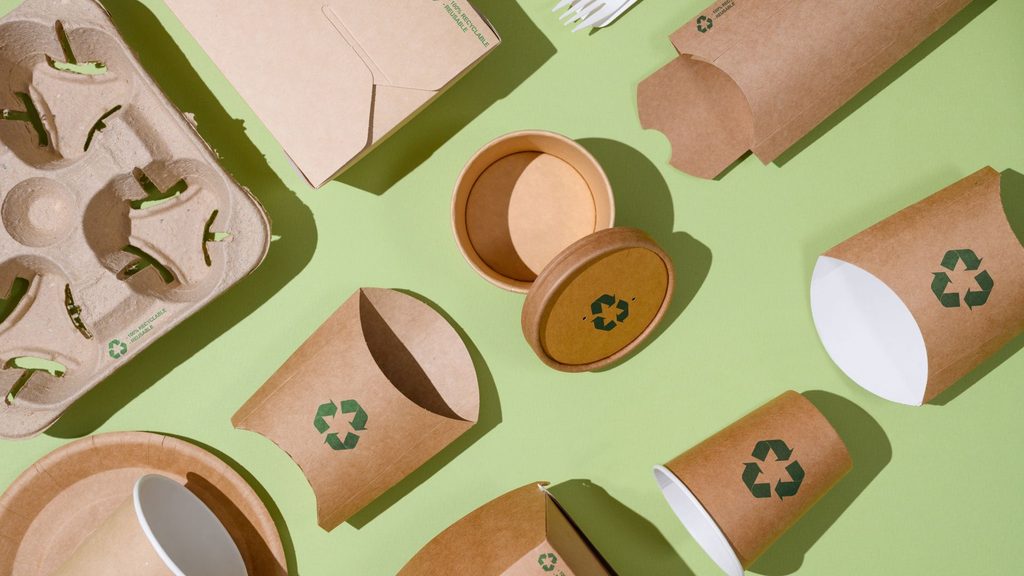
From supermarket shelves to global sporting events, paper-based packaging is becoming one of the biggest talking points in the sustainability conversation. As businesses look to reduce their reliance on fossil fuel-based materials and governments introduce new packaging regulations, a growing number of brands are turning to fibre-based alternatives.
Public Demand Is Driving Change
Consumers are playing an increasingly important role in accelerating the shift towards paper-based packaging. Research released during London Climate Action Week found that 74% of people want major sporting events, such as the FIFA World Cup, to use only plastic-free food packaging, demonstrating growing public support for alternatives to conventional single-use plastics. The same research also revealed that 80% of people believe food packaging should be plastic-free wherever possible, while nearly half were unaware that many paper takeaway containers still contain hidden plastic linings.1
What Is Paperisation?
Paperisation refers to the growing movement of replacing plastic packaging with paper and fibre-based alternatives wherever it is practical to do so.
It’s already happening across a wide range of products. Supermarkets, for example Sainsbury’s, are introducing paper punnets for fruit and vegetables, retailers are replacing plastic mailing bags with paper envelopes, and brands are redesigning packaging using paper, corrugated board and moulded fibre instead of traditional plastics.2
The aim isn’t to replace every plastic product. Instead, it’s about selecting the right material for the right application while reducing unnecessary plastic and supporting a more circular economy.
Regulation Is Accelerating the Shift
Consumer demand isn’t the only driver. New legislation is also encouraging businesses to rethink their packaging choices.
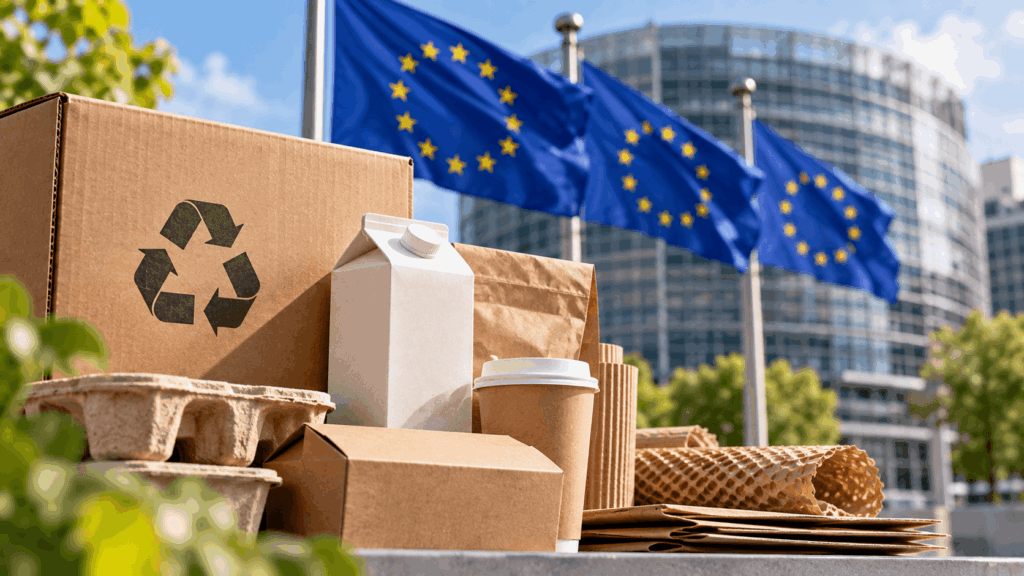
The EU’s Packaging and Packaging Waste Regulation (PPWR) aims to make all packaging on the EU market recyclable by 2030 while reducing unnecessary packaging.3 In the UK, Extended Producer Responsibility (EPR) is encouraging businesses to design packaging that’s easier to collect and recycle.
As regulations evolve alongside changing consumer expectations, paperisation has become one of the packaging industry’s fastest-growing areas of innovation.
The Future Is Fibre
Paperisation reflects a broader shift in how businesses think about packaging. Rather than asking how packaging can simply protect a product, companies are increasingly considering what happens after it’s been used.
By combining renewable materials, responsible sourcing, innovative design and effective recycling systems, fibre-based packaging is helping move the industry towards a more circular future.
As technology continues to evolve and more brands invest in paper-based solutions, paperisation looks set to remain one of the defining packaging trends of the decade. Not because it’s replacing every other material, but because it’s changing the way we think about packaging altogether.
Sources:
- Packaging news, Three-quarters of Brits want plastic-free packaging at summer events, 2026
- Sainsbury’s, Fresh food and a fresh approach to packaging: Reducing plastics in our supply chain, 2025
- Business.gov.uk, EU PPWR – Packaging and Packaging Waste Regulation, 2026
- Gov.uk, Extended producer responsibility for packaging, 2025