



 American Latina
 ANZ
 Austria
 Brazil
 Czech
 Finnish
 France
 Germany
 Italy
 North
America
 Norway
 Polish
 Portugal
 Spain
 Sweden
 United Kingdom
-
The Race to Reinvent the Drinks Bottle
Consumers are becoming more conscious of packaging waste, brands are racing to reduce their environmental footprint, and governments are introducing stricter regulations to tackle packaging waste. Against this backdrop, one everyday item is undergoing a remarkable transformation: the drinks bottle. While plastic has long dominated supermarket shelves, a new generation of innovative materials is emerging,…

-
Europe’s New Packaging Rules: What Do They Mean For You?
Packaging is something we encounter dozens of times a day without giving it much thought. It protects our food and delivers our online orders, but what happens to that packaging once we have finished with it is becoming increasingly important. New European packaging rules are designed to tackle that problem by changing how packaging is…

-
Paperisation: The Trend Everyone Is Talking About
From supermarket shelves to global sporting events, paper-based packaging is becoming one of the biggest talking points in the sustainability conversation. As businesses look to reduce their reliance on fossil fuel-based materials and governments introduce new packaging regulations, a growing number of brands are turning to fibre-based alternatives. Public Demand Is Driving Change Consumers are…

-
Is This The End Of PFAS In Packaging?
You might not recognise the term PFAS, but you have probably encountered them. Short for per- and polyfluoroalkyl substances, PFAS are a large family of chemicals used to make products resistant to water, oil and grease. These qualities have made them particularly useful in food packaging, where they help paper and cardboard cope with greasy…

-
Paper: Highly Recycled and part of the Circular Economy
We’ve produced a new short video highlighting one of the print and paper industry’s greatest sustainability success stories: the high recycling rates achieved by paper products around the world. As consumers, businesses and policymakers continue to seek more sustainable solutions, paper remains a standout example of a natural, renewable and widely recycled material. The new…
-
The Truth About Paper
Paper is often caught in the middle of the sustainability conversation. Despite being one of the most widely recycled and renewable materials in use today, it is frequently misunderstood. A common assumption persists that paper is inherently harmful to the environment, while digital alternatives are automatically cleaner. The reality is more nuanced. The “Paper Equals…

-
The Rise of Inclusive Design
Inclusive packaging has gradually moved beyond niche innovation into a design priority. In the past year, leading brands have shown that accessibility is a fundamental part of how products are experienced. From household goods, technology and beauty, packaging is being rethought to support people with a wide range of physical, sensory and cognitive needs. Three…

-
Packaging Innovations For The Disabled
We look at the latest packaging innovations designed for the disabled. Anyone who’s ever wrestled with a piece of packaging that seems to have been designed to be as difficult to open as possible should consider that no matter how tough the task, it’s a lot tougher if you’re disabled. From the simplest cardboard box…

-
Consumers Underestimate The Great Recycling Rate Of Paper. Latest Study Reveals
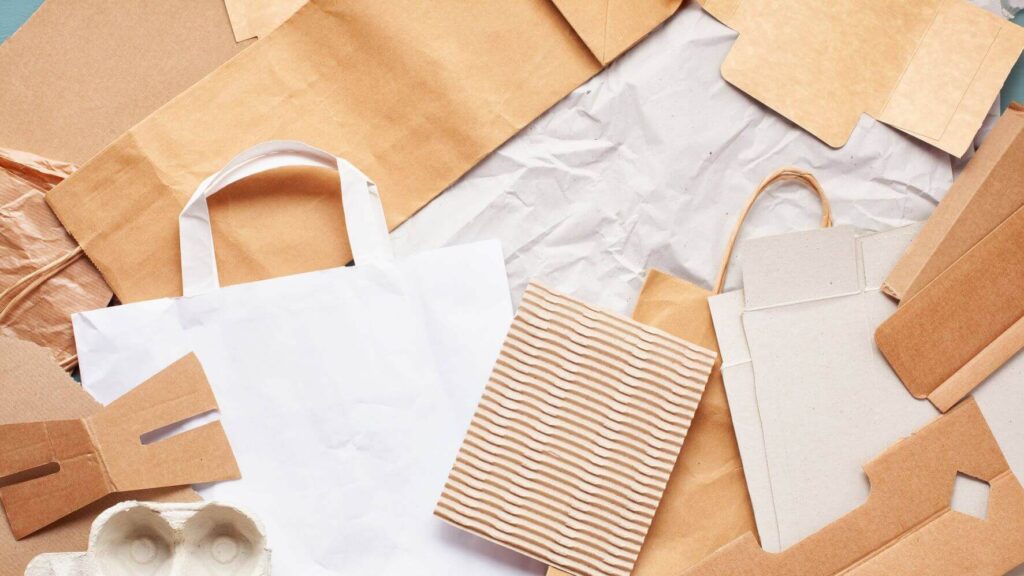
Consumers are becoming increasingly conscious of their impact on the environment, and the majority of UK consumers believe the recycling rate of paper isn’t very high. This low consumer awareness is worrying when paper is, in fact, one of the most recycled materials in the world with a recycling rate of 74%.[1] A study, conducted by the…
-
Paper Packaging – The Preferred and Sustainable Choice
2020 saw dramatic changes to the way we live our live, how we work and socialise might have changed forever. Our consumption habits have also changed, which has had major impacts on the packaging industry. In a year when some industries struggled, the packaging industry reported increased volumes and revenue, in part, due to a…
