


 American Latina
 ANZ
ANZ
 Austria
 Brazil
 Czech
Czech
 Finnish
 France
 Germany
 Italy
Italy
 North
America
North
America
 Norway
 Polish
 Portugal
 Spain
Spain
 Sweden
 United Kingdom
Reaching Everyone, Including Vulnerable Groups
Printed communications remain an important way of reaching people across society, particularly elderly, disabled and low-income households. Not everyone has the same access to digital technologies, confidence in using online services or the ability to engage with electronic communications.
Printed information helps ensure that essential messages, such as healthcare information, financial statements, public service announcements and product information, remain accessible to those who may otherwise be excluded.
By offering paper-based communications alongside digital channels, organisations can help create a more inclusive experience for all consumers.


Accessible Without Internet Or Devices
Paper provides immediate access to information without the need for an internet connection, smartphone, computer, passwords, software updates or battery power.
A piece of mail arrives, whether or not you own a device. It doesn’t time out, get paywalled or disappear when a platform changes its algorithm. And when power grids fail, connectivity drops or disaster strikes, print is often the most resilient communication tool available, the one that keeps working when everything else doesn’t.
For many people, print remains an essential communication channel that offers convenience, independence and ease of use.
Designing Packaging For Inclusivity
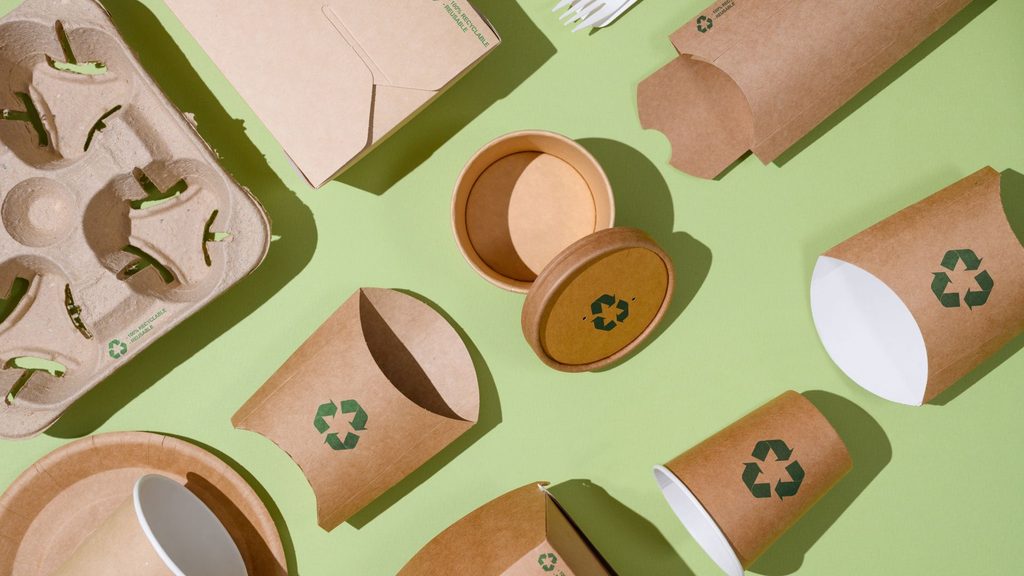
Paper-based packaging can be designed to improve accessibility for people with a wide range of disabilities and age-related challenges.
Features such as easy-open designs, large-print instructions, high-contrast graphics, tactile markings and clear labelling can make products easier to identify, open, use and recycle. Accessible packaging helps consumers maintain independence and confidence while reducing frustration and waste.
As inclusive design becomes an increasingly important consideration for brands, paper-based packaging offers flexible solutions that can support the needs of all users while delivering sustainability and functionality.