



 American Latina
 ANZ
 Austria
 Brazil
 Czech
 Finnish
 France
 Germany
 Italy
 North
America
 Norway
 Polish
 Portugal
 Spain
 Sweden
 United Kingdom
Few modern television shows have brought Regency Britain back into popular conversation quite like Bridgerton. Among its most recognisable features is Lady Whistledown’s Society Papers: the anonymous scandal sheet that spreads gossip through London’s elite social circles and drives much of the series’ intrigue. While Whistledown herself is fictional, the idea behind her publication is rooted firmly in reality. Early nineteenth-century Britain had a thriving print culture filled with pamphlets, newspapers, scandal sheets and political commentary, all made possible by the printing technologies and paper networks of the time.
Understanding how a publication like Whistledown’s would have existed means looking at how print really worked during the Regency era, a period roughly spanning 1811 to 1820. Long before digital media, paper was the primary way information travelled, and printed words carried real power because they were tangible and shareable.
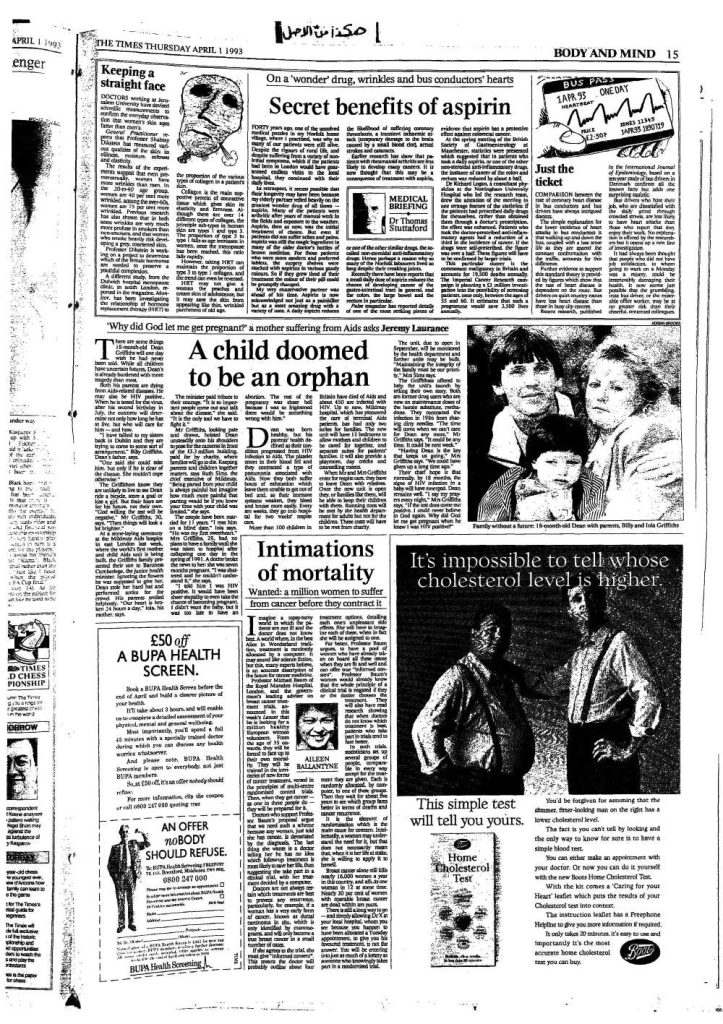
By the early nineteenth century, newspapers and pamphlets were already a central part of British public life. The first English daily newspaper, The Daily Courant, appeared in 1702, and by the early 1800s papers had expanded significantly in circulation and influence. Publications like The Times, founded in 1785, combined news, commentary and the occasional scandal, helping establish newspapers as a daily fixture of urban life. Printed publications did not just report politics; they also reflected society’s appetite for gossip, fashion and personal scandal, themes that feel remarkably familiar to modern audiences watching Bridgerton.
Before newspapers became highly standardised, Britain had a long tradition of smaller printed works known as newsbooks or pamphlets. These short publications often covered a single topic like a scandal, a social event or a sensational story, and were widely distributed. Because pamphlets were quicker and cheaper to produce than full newspapers, they could respond rapidly to public interest. Historians note that topics such as scandals and extraordinary events were especially popular, making them clear historical parallels to the kind of gossip Whistledown publishes in the show.
Printing in Regency Britain was still largely a manual process. A printer would arrange individual metal letters by hand to form lines of type, locking them into a frame known as a ‘form.’ Ink was applied to the raised surfaces of the type, and paper was pressed onto it using a hand-operated or early mechanised press. The printing press worked by physically pushing paper against inked type, transferring text letter by letter onto each sheet. This was slow, skilled work, meaning that even small publications required careful labour behind the scenes.
By 1814, almost exactly the era depicted in Bridgerton, technological improvements were beginning to transform the industry. The Times famously introduced a steam-driven press capable of printing thousands of copies per hour, a major leap compared with traditional hand presses. However, many smaller printers still relied on manual equipment, particularly for short-run publications or specialist pamphlets. A publication like Lady Whistledown’s would likely have been printed in a small workshop rather than a large industrial press, enabling secrecy and smaller batches.

Paper itself also played a significant role in how print functioned. During the Regency era, paper was made primarily from recycled linen and cotton rags rather than wood pulp, which did not become widely used until later in the nineteenth century. This rag-based paper was durable and relatively high-quality, which explains why many newspapers and pamphlets from the period still survive in archives today. Because paper was valuable at this time, printed items were rarely treated as disposable; instead they were shared and saved.
Distribution of printed material worked differently from modern media networks. Newspapers and pamphlets were sold through booksellers, coffee houses, reading rooms, or by street vendors. A single copy could be read by many people, circulated from household to household, or even read aloud in public spaces. In this way, information spread socially as much as physically. Gossip sheets were particularly well suited to this environment because their appeal relied entirely on conversation and shared curiosity.
The idea that scandal and social news were common newspaper content is absolutely historically accurate. Contemporary commentators and historians note that newspapers of the period often contained gossip alongside commercial news and political reporting. Even Jane Austen’s novels, which were written during the same era, reference how scandals and personal affairs appeared in newspapers and gossip sheets.
What made printed words powerful in the early nineteenth century was their permanence. A printed sheet carried authority simply because it existed physically. Unlike spoken rumour, print could be quoted and circulated widely, which gave anonymous publications significant influence. While complete anonymity was difficult to maintain in reality (printers and publishers could face legal consequences for libel) writers often used pseudonyms or remained deliberately obscure to avoid censorship or penalties.
Another important element shaping newspapers at the time was taxation. Britain imposed duties on printed paper and newspapers, sometimes called ‘taxes on knowledge,’ which increased costs and influenced who could afford to publish and read certain materials. These taxes were debated extensively in Parliament, highlighting how closely paper and public knowledge were linked in society. Printed information was recognised not only as entertainment but as a powerful social force.
Seen in this context, Lady Whistledown’s Society Papers are a highly dramatised but ultimately believable extension of Regency print culture. A small publication focused on gossip, produced discreetly by a printer, and circulated hand-to-hand among readers fits neatly within what historians know about early nineteenth-century Britain. The show exaggerates the speed and reach for dramatic effect, but the foundation is grounded in reality.
What also becomes clear when looking back at this period is the central role paper played in communication. Before telephones, broadcasting or digital platforms, paper was the medium that connected people to news and each other. Printed sheets carried ideas across cities and social classes, creating shared conversations long before social media existed. The importance of the material itself cannot be understated: without paper and the infrastructure around printing, the public sphere as people understood it in Regency Britain simply could not have existed.
Today, as audiences watch Lady Whistledown’s papers disrupt London society on screen, they are also seeing a reflection of a real moment in media history, one where paper and print shaped public discourse and culture in ways that feel surprisingly modern. The tools may have changed, but the human desire for stories and connection remains exactly the same.
Sources
Britannica, 2026, Newspaper publishing
Britannica, 2026, How does the printing press work?
Britannica, 2026, Era of the Industrial Revolution
Netflix, 2024, How Real Is Lady Whistledown? Just Ask Jane Austen