


 America Latina
 ANZ
ANZ
 Austria
 Germany
 North America
 Italy
Italy
 Brazil
 United Kingdom
Packaging is no longer just about protecting a product. Increasingly, it is becoming a gateway between brands and consumers. One of the most interesting developments in this space is the rise of augmented reality (AR), where printed labels are enhanced with interactive digital experiences.
From wine and spirits to craft beverages, brands are experimenting with ways to turn everyday packaging into something far more engaging.
What Is AR?
Augmented reality (AR) blends digital content with the real world in real time. Unlike virtual reality, which creates a fully artificial environment, AR enhances the physical world by overlaying interactive elements such as images, animations, or information onto what the user sees.
Consumers can use a smartphone to scan a label and unlock additional content. This can range from storytelling and brand heritage to games, music, or behind-the-scenes videos. This creates a more immersive experience at the point of purchase or consumption.
In many cases, AR experiences require a dedicated app, particularly for more complex or branded content. However, simpler forms of AR can now be accessed directly through smartphone camera apps or web-based platforms, allowing users to scan and interact with content without needing to download additional software.
Bringing Packaging To Life
Augmented reality is enabling brands to turn packaging into a direct communication channel with consumers. Pure Origin Coffee, for example, uses AR to connect customers with the people behind the product. By scanning the coffee bag, consumers can hear directly from growers, who share their stories, daily lives, and the work that goes into producing the coffee, creating a more personal and transparent experience.

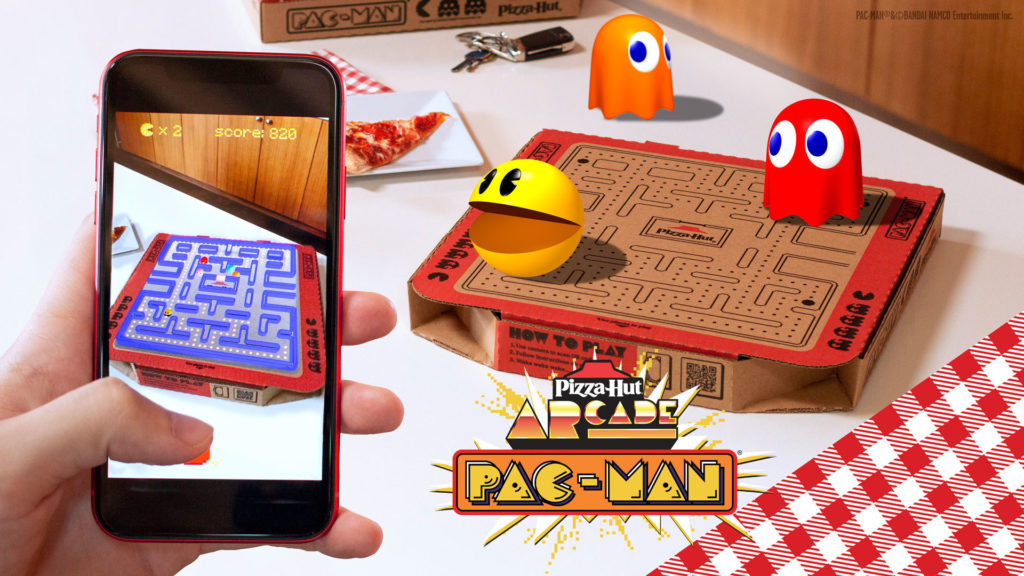
In a more entertainment-focused approach, Pizza Hut introduced a special edition pizza box designed to function as an AR marker. When scanned with a smartphone, the packaging activates a playable PAC-MAN® game, with the characters and maze appearing to move across the surface of the box, turning the packaging into an interactive experience.
Meanwhile, 19 Crimes has used AR to enhance storytelling through its labels. By scanning a bottle, consumers can bring the characters on the packaging to life, with animated figures that speak and share their stories, adding depth and engagement to the product experience.

The Future of Connected Labels
As technology develops, AR is likely to become more seamless, with fewer barriers between scanning and experience. This could make connected packaging more widely used across everyday consumer goods, not just premium or novelty products.
For now, it represents a growing intersection between print and digital media – one where packaging is no longer static, but interactive.