


 America Latina
 ANZ
ANZ
 Austria
 Germany
 North America
 Italy
Italy
 Brazil
 United Kingdom
If the ocean could talk, it probably wouldn’t whisper. It would ask why it’s swallowing the equivalent of a rubbish truck full of plastic every single minute.
Each year, the world produces more than 360 million tonnes of plastic waste[1]. Even more concerning, the amount of plastic entering the ocean could nearly triple by 2040[2].
And once plastic reaches the sea, it stays there for a very long time. A plastic bottle can take up to 450 years to break down. Fishing line can last around 600 years[3].
The Ocean Is Already Feeling the Impact
Plastic pollution already affects marine life.
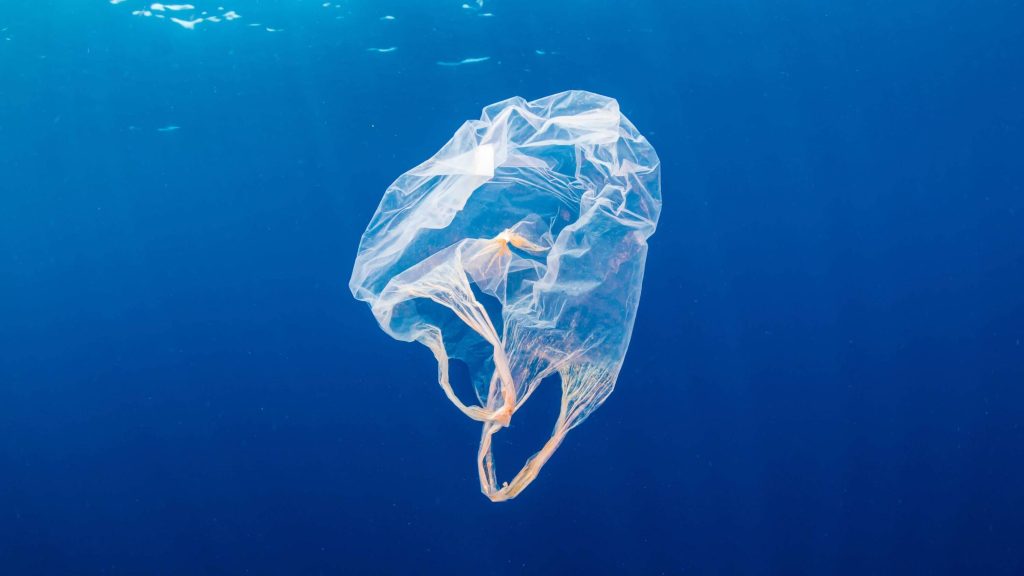
For example, plastic bags drift through the water and often look like jellyfish. Because of this, turtles frequently mistake them for food. Meanwhile, seabirds collect small plastic fragments and feed them to their chicks.
The problem does not stop there.
Scientists have now detected microplastics in every British coastal water sample tested. If current trends continue, some researchers even warn that there could be more plastic in the sea than fish within the next decade[4].
The Tide Needs To Turn
So where does much of this plastic come from?
A large share starts as single-use packaging. Items like snack wrappers and lightweight plastic packaging are designed to be used once and then thrown away.
Although these products are convenient, they often become waste if people do not recycle or dispose of them properly.
However, consumer choices can make a difference.
Every purchase sends a signal to brands. When shoppers choose packaging that uses less plastic, recycles easily, or contains recycled materials, they encourage companies to design better solutions.
In other words, cleaner oceans start with everyday decisions.
Switching To Better Materials
Many everyday purchases come in single-use packaging, but consumers can choose products that use smarter materials and reduce waste.
Examples of better packaging options include:
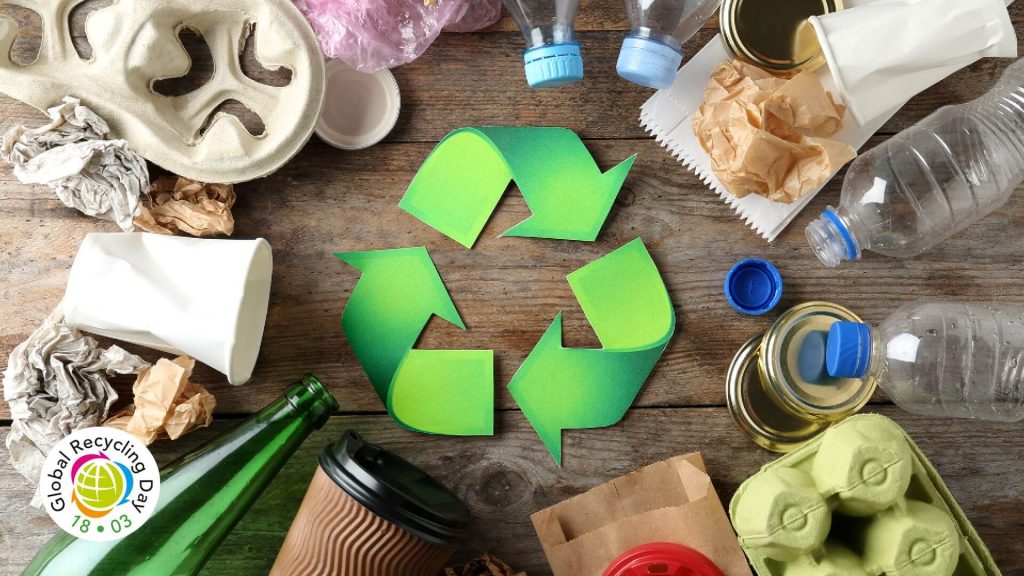
- Recyclable cardboard and paper packaging that can be processed and turned into new materials
- Packaging with recycled content, so materials are used again instead of discarded
- Mono-material designs that avoid mixed layers and are easier to recycle
- Compostable options designed to break down in commercial facilities
- Refill and reuse systems that reduce the need for new packaging each time
Why This Should Matter to You
Because the ocean is not separate from everyday life. It supports food systems, weather patterns and ecosystems that ultimately affect human communities.
The ocean is vast, but it is not immune. Plastic that drifts into the sea does not simply disappear. The ocean connects us all. Its health reflects collective decisions.
No single action solves the problem, but millions of small decisions add up. Every time you choose a reusable shopping bag. Every time you choose certified recyclable packaging over plastic. Every time you choose to recycle your packaging.
Because the easier it is to recycle, the more likely it is to happen.